
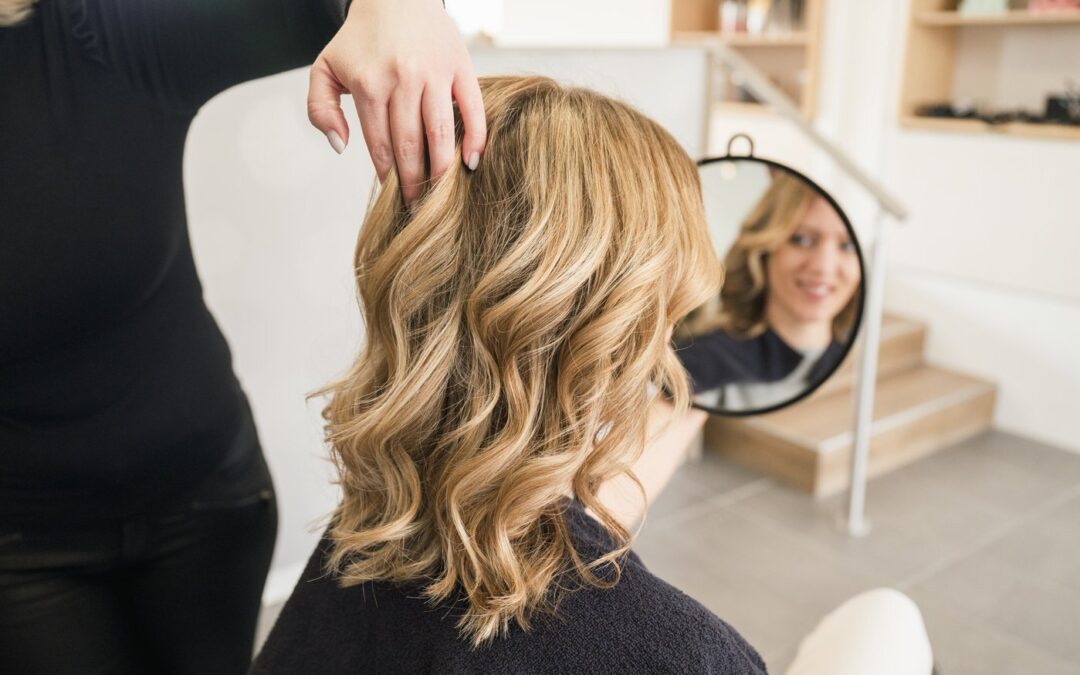
If you’ve ever sat in a salon chair choosing between balayage and highlights, you’re not alone. It’s one of the most common questions color clients ask — and honestly, there’s no wrong answer. Both techniques can create stunning, dimensional hair color. The difference is in how they work, what they look like, how they grow out, and which one is the right fit for your hair type, your lifestyle, and the look you desire.
At Lady Godiva Hair Studio in Colorado Springs, Eric works with clients every day who come in knowing they want a change but aren’t sure which direction to go. Here’s everything you need to know to make the right call for your hair.
What Is Balayage?
Balayage is a French word meaning “to sweep.” Instead of using foils to isolate sections of hair, a colorist paints color directly onto the hair freehand, concentrating it toward the mid-lengths and ends and leaving the roots largely untouched. The balayage process creates a soft, graduated result — brighter toward the ends, darker at the root — that mimics the way the sun naturally lightens hair over time.
Because the color is applied away from the root, the balayage process grows out much more naturally than traditional highlights. There’s no sharp line of demarcation between your natural hair color and your colored hair as new growth comes in. For clients who want sun-kissed hair without constant upkeep, that grow-out behavior is often the deciding factor.

Understanding Partial and Full Balayage
A partial balayage focuses color on the top sections and face-framing pieces, adding brightness where it’s most visible without processing the whole head. A full balayage sweeps color throughout the entire head for maximum dimension and a more dramatic overall effect. Both options use the same freehand technique — the difference is just in how much of the hair is covered.
What Are Traditional Highlights?
Traditional highlights use foils to isolate specific sections of hair and apply lightener or color directly to those sections in a controlled, precise way. Because the hair is wrapped in foil and sealed from the air, it generates more heat — which means more lift and a brighter, higher-contrast result than balayage typically produces.
Foil highlights are applied in a structured pattern from root to tip, which gives your colorist precise control over placement, saturation, and how light the final result will be. If you want true blonde highlights — especially on darker hair — traditional highlights use that foil process to achieve levels of lift that freehand balayage simply can’t replicate in a single session.
The tradeoff is maintenance. Because highlights use foils applied close to the root, new hair growth becomes visible relatively quickly. Most clients need a touch-up every 6–8 weeks to keep highlights looking fresh and the color vibrant.
Full Highlights vs. Partial Highlights
Just like balayage, highlights come in full and partial options. Full highlights cover the entire head for maximum brightness from root to tip. Partial highlights concentrate color on the top sections and around the face — a great entry point for clients who want to brighten their look without committing to a full color transformation. The choice between full and partial highlights depends on how dramatic a change you’re after and how much maintenance you’re willing to commit to.
The Key Differences Between Balayage and Highlights
Balayage and highlights are two fundamentally different approaches to hair color — and the key differences between balayage vs. highlights show up in almost every part of the experience, from the appointment itself to how your color looks six months later.
How the color is applied. With balayage, color is painted freehand onto the surface of the hair without foils. With traditional highlights, specific sections of the hair are isolated using foils and color is applied directly to those sections from root to tip. Highlights use a more systematic, structured approach; balayage is more fluid and artistic. Neither is better — they just produce different results.
How much lift you can achieve. This is one of the most important differences between balayage and highlights for clients starting with dark hair. Foil highlights create more heat and more lift, which means they can take hair significantly lighter — often to true blonde — in fewer sessions. Balayage typically creates a softer, more gradual lightening effect. If maximum brightness is the goal, highlights offer more firepower.
How the color grows out. The balayage process grows out much more naturally than traditional highlights. Because color is concentrated toward the mid-lengths and ends rather than the root, there’s no hard regrowth line as your hair grows. Highlights, applied from the root, will show a more defined line between your natural color and your colored hair as new growth comes in, which is why maintenance appointments are more frequent.
How long your color lasts between appointments. Balayage is generally the lower-maintenance option. Most balayage clients come back every 3–6 months for a refresh. Highlights typically require a touch-up every 6–8 weeks to keep the color looking fresh and intentional. The choice between balayage and highlights depends heavily on how often you want to be in the salon chair.
The overall look and feel. Balayage creates a soft, blended, natural-looking result — effortless and sun-kissed. Traditional highlights offer a brighter, more defined, higher-contrast look. Both are beautiful. The question is which aesthetic matches what you’re picturing for your new hair look.
➜ Still not sure which direction to go?
Which Hair Color Technique Works Best for Your Hair Type?
The right choice between balayage and highlights depends on both your hair type and the result you want. Here’s how each technique performs across the most common hair types — and how to decide which is right for you.
Dark hair. If you have dark hair and want to go significantly lighter — think blonde highlights or a high-contrast, bright result — traditional highlights are the more effective route. Foil highlights use more heat and saturation to lift dark hair faster and more dramatically than balayage typically can. If, on the other hand, you want a subtler color shift that looks like your hair naturally lightened over summer or to blend the random gray hair, balayage on dark hair creates that rich melt from brunette to caramel without harsh regrowth or the commitment of full foils. The choice between balayage and highlights on dark hair really comes down to this: how light do you want to go, and how natural do you want it to look?
Brown hair. Both techniques work beautifully on brown hair, which makes this the most common hair color we see clients deliberating over. Blonde highlights on brown hair create a bright, defined contrast that looks polished and put-together — great for clients who want their color to make a statement. Balayage on brown hair, by contrast, enhances the natural hair color rather than departing from it dramatically. The freehand color placement adds warmth and movement that looks lived-in rather than done.
Wavy or textured hair. For wavy hair, balayage and highlights both work — but they interact with texture very differently. The balayage process follows the natural movement of waves, placing color where light would naturally hit. The result looks organic and intentional, like the texture and the color were designed together. Traditional highlights on wavy hair can also look stunning, especially if you want bright, even dimension throughout. Just know that foil placement on wavy hair requires a skilled hand to avoid a choppy or uneven result. Either way, hair texture matters — bring reference photos so your colorist can see what you’re going for.
Fine or thin hair. For clients with finer hair strands, the balayage technique is often gentler because color isn’t applied root to tip across every section of hair. Less overall processing means less potential for damage to color-treated hair, and the blended result can actually create the illusion of more volume and movement. That said, highlights can also add beautiful dimension to fine hair when applied strategically — a partial highlight focused on the top sections can create brightness without over-processing fragile hair.
Balayage vs Highlights: Which Is Better for Low-Maintenance Color?
If you’re someone who wants great color without frequent salon visits, the choice between balayage and highlights depends on how you define “low maintenance.”
Balayage wins on grow-out. Because the balayage process keeps color away from the root, there’s no harsh line between your natural color and your colored hair as it grows. Most clients can go 3–6 months between appointments without their color looking unfinished.
Traditional highlights, while requiring more frequent touch-ups, give you more control over exactly how bright and how even your color looks at all times. For clients who love a polished, consistent look and don’t mind coming in every 6–8 weeks, highlights offer that level of precision and predictability that balayage typically doesn’t.
Hair care between appointments matters for both. Whether you choose balayage or traditional highlights, using color-safe products and getting occasional toning or gloss services will keep your color vibrant and your color-treated hair healthy between visits. Eric can recommend the right routine based on your specific color and hair type.
➜ Ready for a color transformation on your terms?
Can You Combine Balayage and Highlights?
Yes! For many clients, combining balayage and highlights produces the best result. Balayage and highlights are complementary techniques that work together to create more dimension, more brightness, and a more dynamic look than either can achieve alone.
A common approach is using the balayage technique throughout the mid-lengths and ends for a soft, blended base, then adding foil highlights around the face for brighter, more defined framing. The result has the natural grow-out of balayage with the brightness of highlights — the best of both.
Reverse balayage, adding deeper tones back into heavily highlighted hair, is another option worth knowing about, particularly for clients who’ve been highlighting for years and want to add dimension back into their color without going back to their natural hair color entirely.
Combining balayage and highlights is where Eric’s expertise really shows. Custom color work requires a thorough understanding of how different color techniques interact with each other and with your specific hair, and that’s exactly the kind of work he does every day.
Why Your Colorado Springs Salon Choice Matters for Color Services
The differences between balayage and highlights aren’t just technical — they’re also a reminder that technique only gets you so far. Results depend on the hands applying it.
Balayage in particular is a highly skilled, freehand color technique. There’s no foil to guide placement and no formula to follow mechanically. A great balayage result requires an experienced colorist with a strong understanding of hair color, hair texture, and how light interacts with different hair types. The same is true for highlights done well: strategic placement, correct processing time, and precise toning all make the difference between a color you love and one you’re trying to grow out.
At Lady Godiva Hair Studio, Eric is a Paul Mitchell National Educator — a credential that represents the highest level of professional color training in the industry. Whether you’re coming in for your first color appointment or you’re an experienced color client looking to switch techniques, you’re working with someone who understands both approaches at a deep level and can help you get the result you actually want.
Lady Godiva is also a Paul Mitchell Focus Salon, which means access to professional-grade color products and ongoing education that keeps our work current and consistent.
So, Balayage or Highlights for your next Color Transformation?
Here’s the honest answer: it depends. Both techniques can produce stunning results. The right choice comes down to what you want your hair to look like, how often you want to be in the salon, and what your hair can realistically achieve in a single session.
The best way to figure out which direction is right for you is to come in and talk it through. Eric will take a look at your hair type, your natural color, your hair length, and the reference photos you bring — and give you a clear recommendation based on what will actually work for your hair. No guesswork, no upselling, just honest color advice from someone who does this every day.
Recent Comments